 LABORATORY BALL MILLS
Dry Grinding
Ideal for moisture-sensitive materials, producing low-moisture powder with good screenability.

ROLL BALL MILL SELECTION GUIDE
Expert Selection · Efficient Grinding
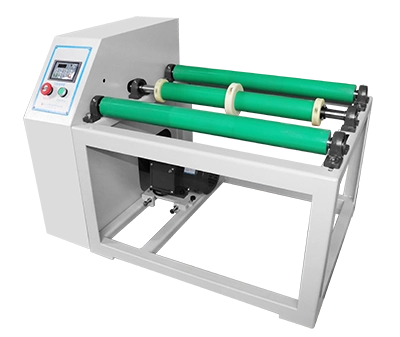
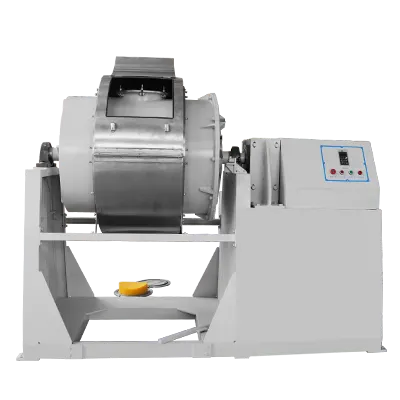
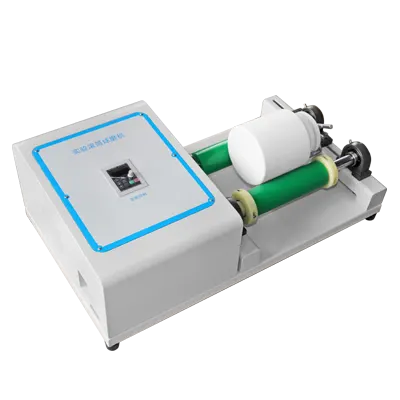
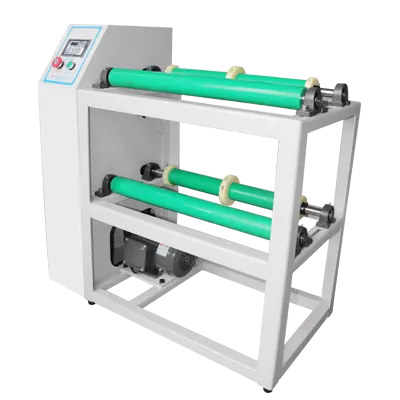
Select the appropriate model based on your test requirements and material properties.
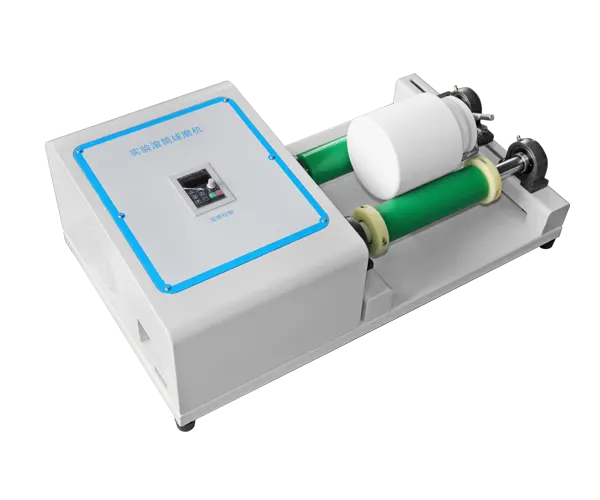
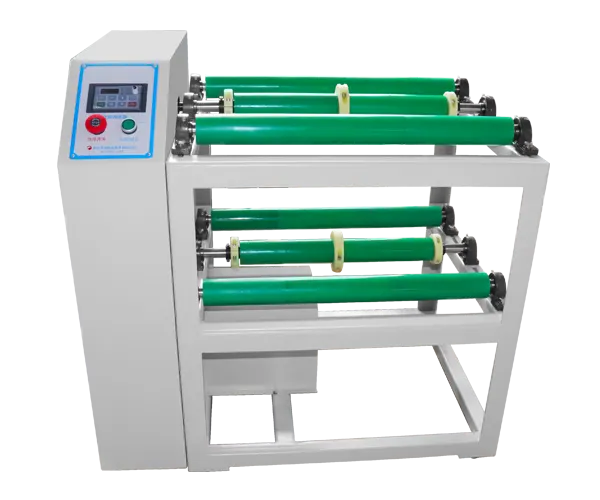
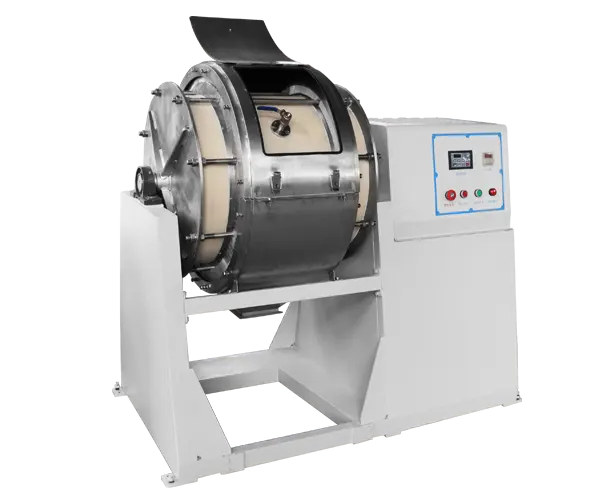
| Model Category | Capacity (L) | Rotational Speed (RPM) | Loading Capacity | Motor Power (kW) | Key Features | Feed Size (mm) | Final Fineness (mesh) | Applications |
|---|---|---|---|---|---|---|---|---|
| Laboratory Drum Ball Mill | 0.5-15 | 50–100 | 0.33-5 | 0.37–0.75 | Small batches, high precision | ≤5~20 | ≤300
(Some materials can be ground finer than 1,000 mesh) | Laboratory testing and research |
| Jar Mill | (0.5-20L)×N | 40–100 | (0.33-6.6)×N | 0.75–2.2 | Moderate, stable throughput | ≤5~20 | ≤300
(Some materials can be ground finer than 1,000 mesh) | Pilot-scale production |
| Production Drum Ball Mill | 25-2000 | 20-60 | 8.3-666.6 | 0.75–22 | High capacity, high efficiency | ≤5-20 | ≤300
(Some materials can be ground finer than 1,000 mesh) | Large-scale industrial production |
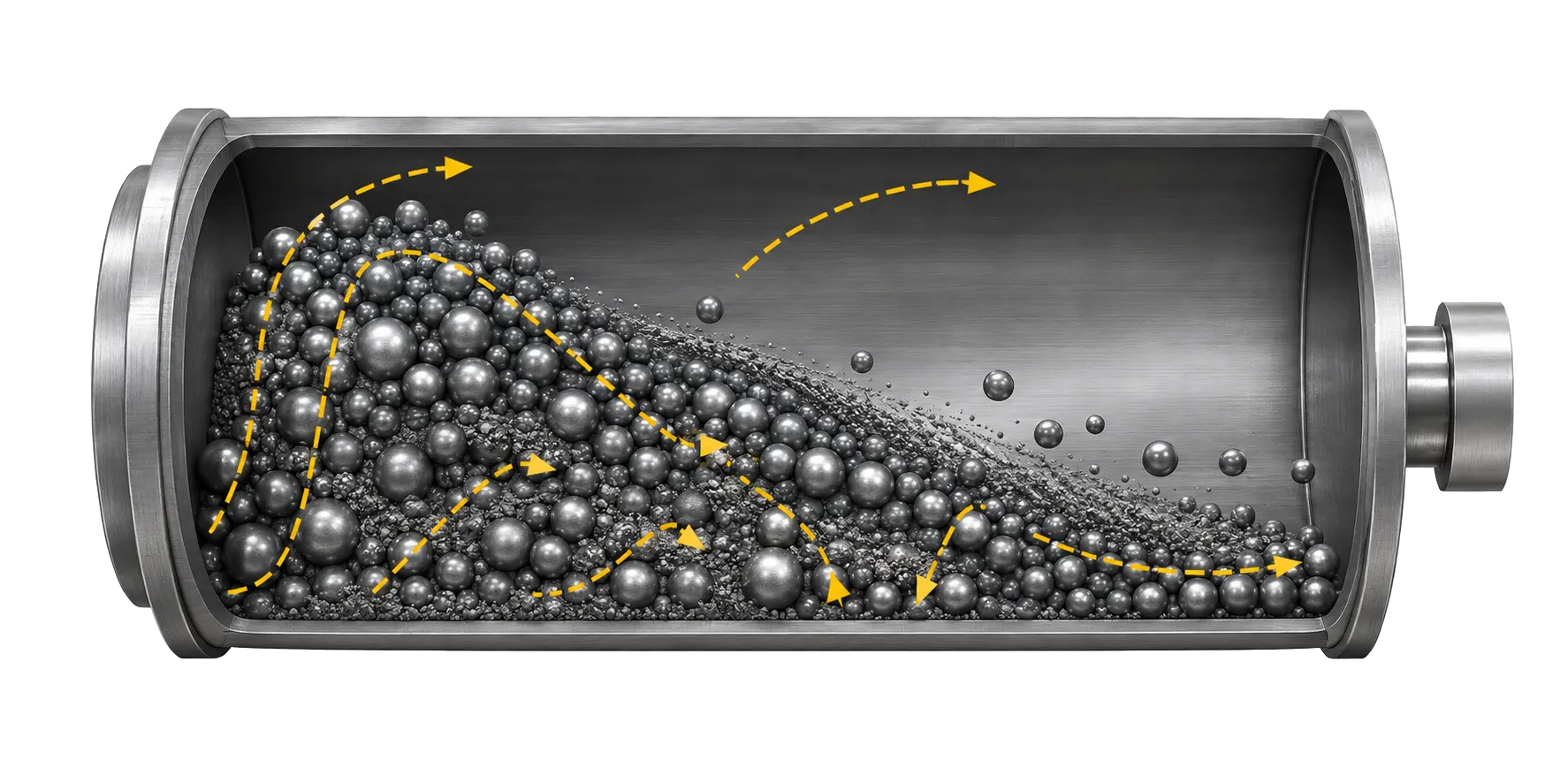
The motor rotates the drum around a horizontal axis. Centrifugal force and gravity lift the grinding media to a certain height before they cascade or roll down, applying impact, shear, and attrition forces that progressively reduce the material to the required fineness.
Ideal for moisture-sensitive materials, producing low-moisture powder with good screenability.
Ideal for ultrafine grinding and high-viscosity materials; improves grinding efficiency and suppresses airborne dust.

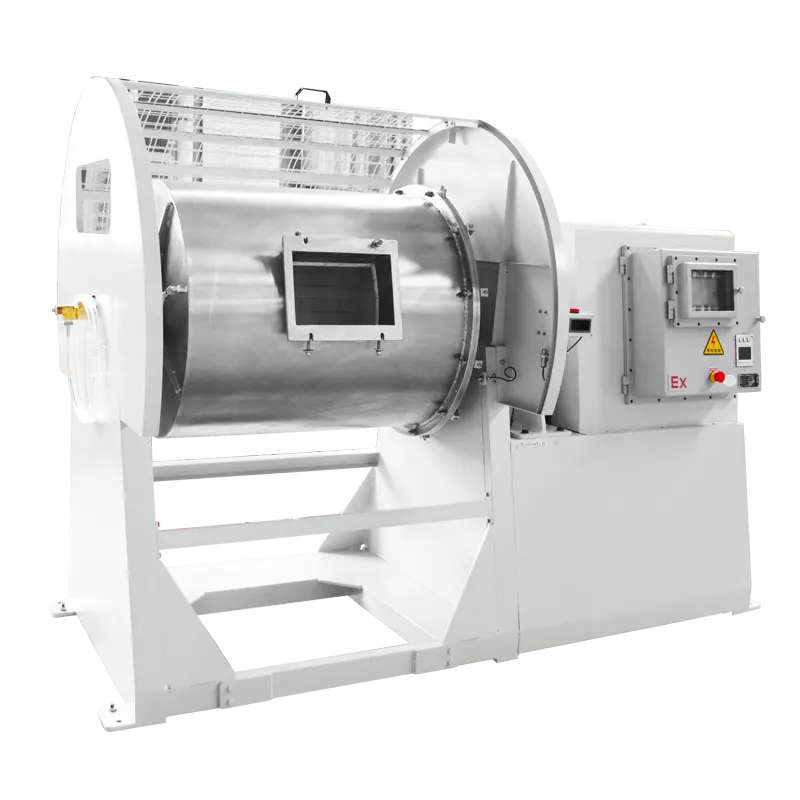
A: Required Equipment Volume (Grinding Jar Capacity) (L)
C: Mass of Material per Batch (kg)
ρ: Material Bulk Density (kg/L)
For standard operation, keep the material charge at approximately one-third of the drum's effective volume.
Select the liner according to the material's chemical properties, grinding media characteristics, budget, and contamination-control requirements.
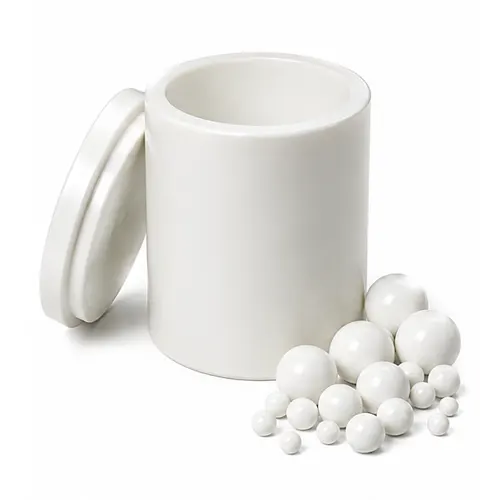
Excellent wear and corrosion resistance with minimal contamination; ideal for oxides and high-purity materials.
Typical Materials: Alumina, zirconia, silicon carbide
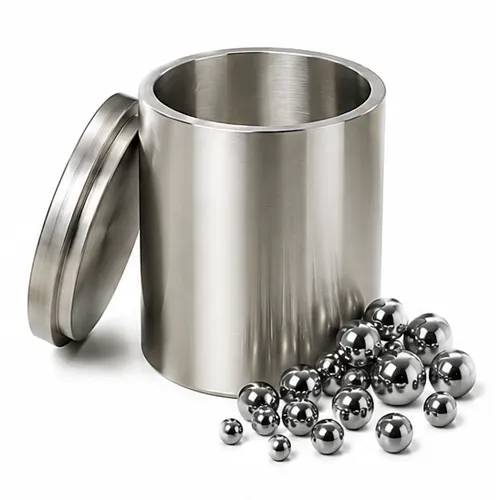
High strength, excellent impact resistance, and economical; suitable for general industrial materials.
Typical Materials: Stainless steel, manganese steel, hardened steel
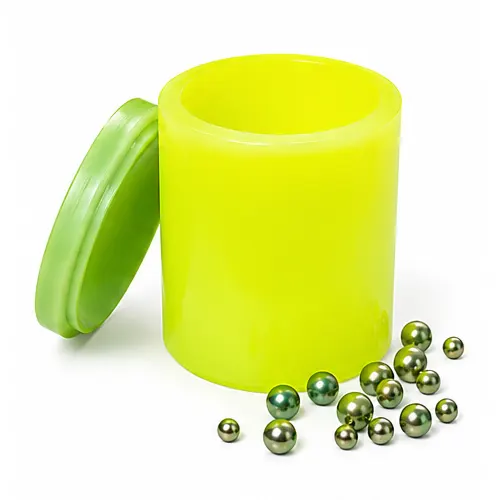
Lightweight, acid- and alkali-resistant, and low-noise; suitable for metal-sensitive and specialty materials.
Typical Materials: Nylon, polyurethane, PE, etc.
Grinding media should be matched to the material hardness, allowable contaminant elements, target fineness, and required process energy. The following parameters provide a practical basis for preliminary drum-mill media selection.
| Grinding Media Type | Material and Key Specifications | Selection Guidelines |
|---|---|---|
| Stainless Steel Grinding Balls | 304 / 316 Stainless Steel Approx. Density: 7.9 g/cm³ Hardness: HRC 20–30 Common Diameter: Φ1–Φ30 mm | Core Properties: Cost-effective and versatile, with good impact energy and moderate corrosion resistance; suitable for conventional coarse grinding and intermediate size reduction.Recommended Applications: Chemical raw materials, ceramic glazes, soils, alloy powders, teaching laboratories, and process development.Limitations: May introduce Fe, Cr, Ni, and other metallic contaminants; not recommended for high-purity systems such as lithium-ion battery materials, electronic ceramics, and premium catalysts. |
| Zirconia Grinding Balls | Yttria-Stabilized Zirconia (YSZ) ZrO₂ Approx. Density: 6.0 g/cm³ Vickers Hardness: HV ≥1250; Mohs Hardness: ≥8.5 Common Diameter: Φ0.1–Φ30 mm | Core Properties: High hardness, low wear, and excellent purity; ideal for efficient fine grinding.Recommended Applications: Lithium-ion battery materials, electronic ceramics, pharmaceutical-grade powders, and high-performance pigments.Limitations: Pair with a zirconia liner or grinding jar to maximize its low-contamination performance. |
| Agate Grinding Balls | Natural Agate SiO₂ Approx. Density: 2.65 g/cm³ Mohs Hardness: Approx. 7 Common Diameter: Φ3–Φ20 mm | Core Properties: Excellent chemical inertness and a smooth surface; suitable for analytical sample preparation.Recommended Applications: Geological, environmental, and agricultural sample preparation, as well as food and pharmaceutical testing.Limitations: Relatively brittle; unsuitable for grinding corundum, silicon carbide, and other high-hardness materials. |
| Corundum / Alumina Grinding Balls | High-Purity Alumina Al₂O₃ >90% Density: 3.6–3.9 g/cm³ Mohs Hardness: Approx. 9 Common Diameter: Φ1–Φ50 mm | Core Properties: High hardness with excellent heat and corrosion resistance; a cost-effective ceramic grinding medium.Recommended Applications: Ceramic glazes, refractories, quartz, feldspar, and conventional nonmetallic mineral grinding.Limitations: May introduce aluminum; unsuitable where Al contamination is restricted, and impact intensity should be controlled. |
| Polyurethane-Coated Iron-Core Balls | Cast-Iron / Steel Core + Wear-Resistant PU Coating Overall Density: Approx. 3.5–5.5 g/cm³ Outer-Coating Hardness: Shore A 80–95° Common Diameter: Φ15–Φ30 mm | Core Properties: Elastic cushioning and low noise; ideal for gentle dispersion and homogenization.Recommended Applications: Pigment, ink, and coating pre-dispersion, as well as battery and electronic slurries.Limitations: Not suitable for crushing high-hardness materials; replace promptly when the PU coating wears through and exposes the core. |
| Tungsten Carbide Grinding Balls | Tungsten Carbide–Cobalt WC–Co Density: 14.5–15.0 g/cm³ Hardness: HRA 88–93 Ball Diameter: Customizable for the Process | Core Properties: High density and hardness, delivering intense impact energy and outstanding wear resistance.Recommended Applications: High-energy grinding of ultrahard materials such as silicon carbide, boron carbide, and synthetic diamond.Limitations: Relatively expensive; use with a tungsten carbide liner and assess the potential compositional impact of WC–Co. |
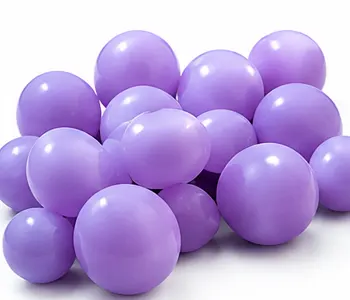 Alumina
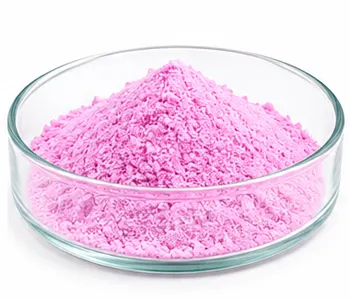 Lithium Carbonate
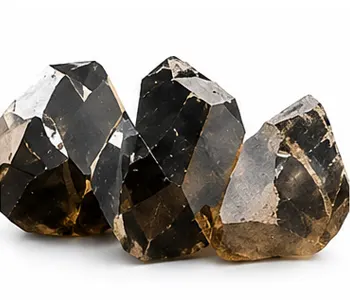 Ore
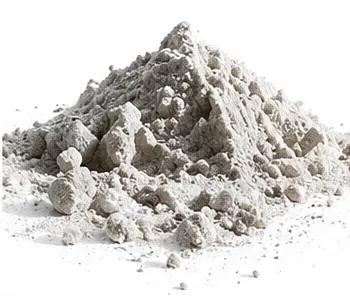 Aluminum Fluoride
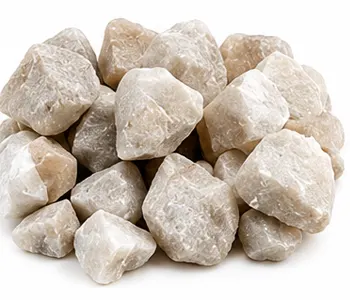 Ceramic Raw Materials
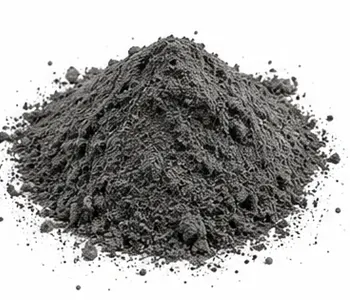 Lithium-Ion Battery Materials
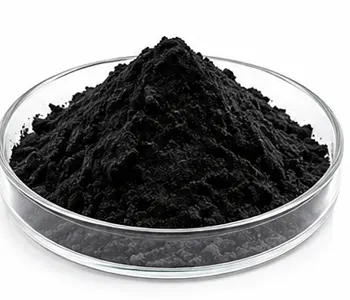 Graphite
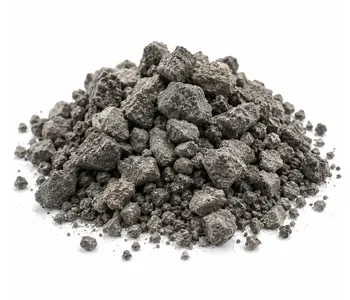 Cement Clinker
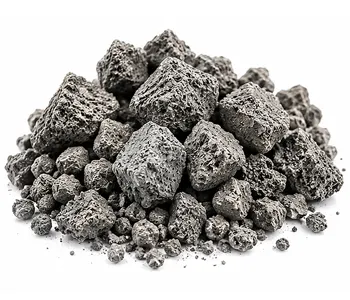 Iron Ore Particles
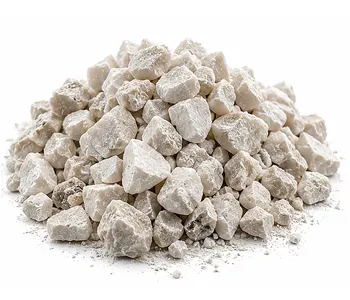 Feldspar Particles
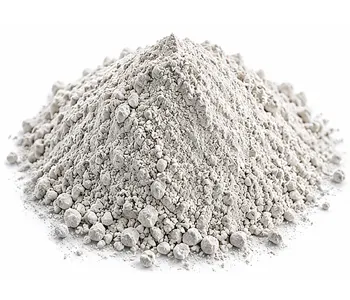 Quartz Sand
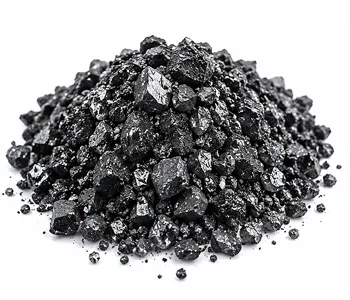 Silicon Carbide Particles
Our professional team will reply to you within one business day. Please feel free to contact us!
Share your material or application, quantity, destination and target purchase date. If a parameter is unknown, say so—we can help clarify it. Leave an email address or phone number so we can reply.
We sincerely thank the following customers for their long-standing trust and support.