 LABORATORY BALL MILLS
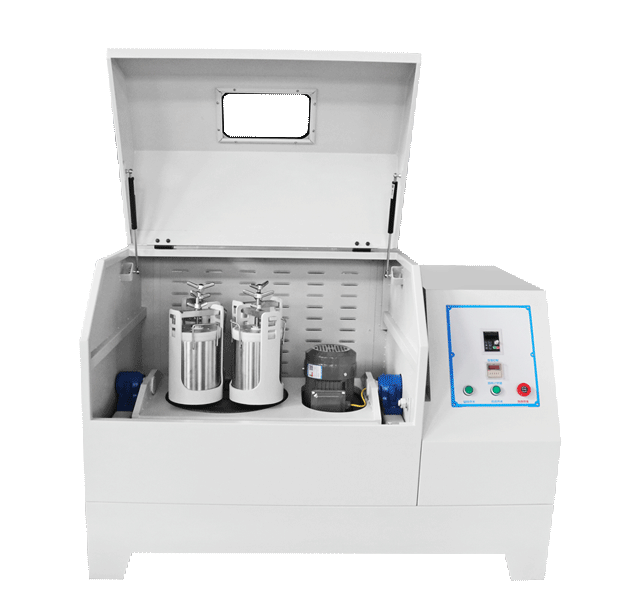
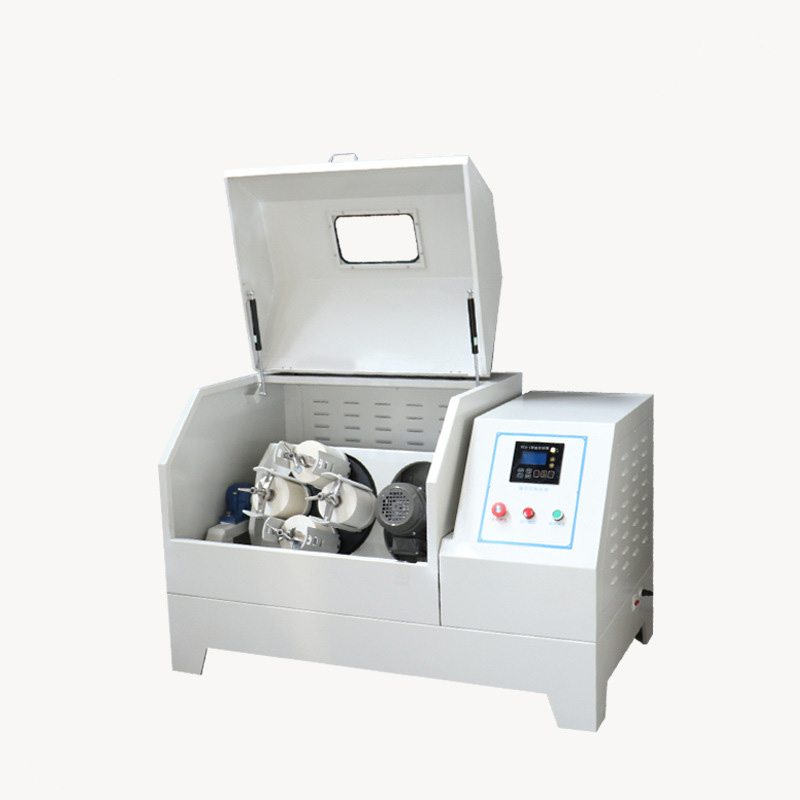
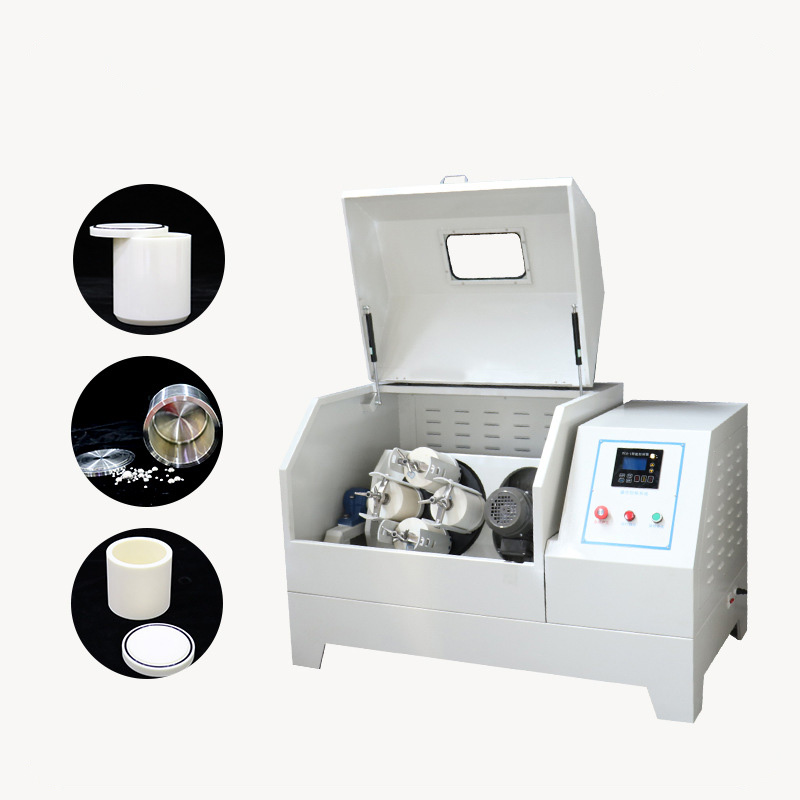
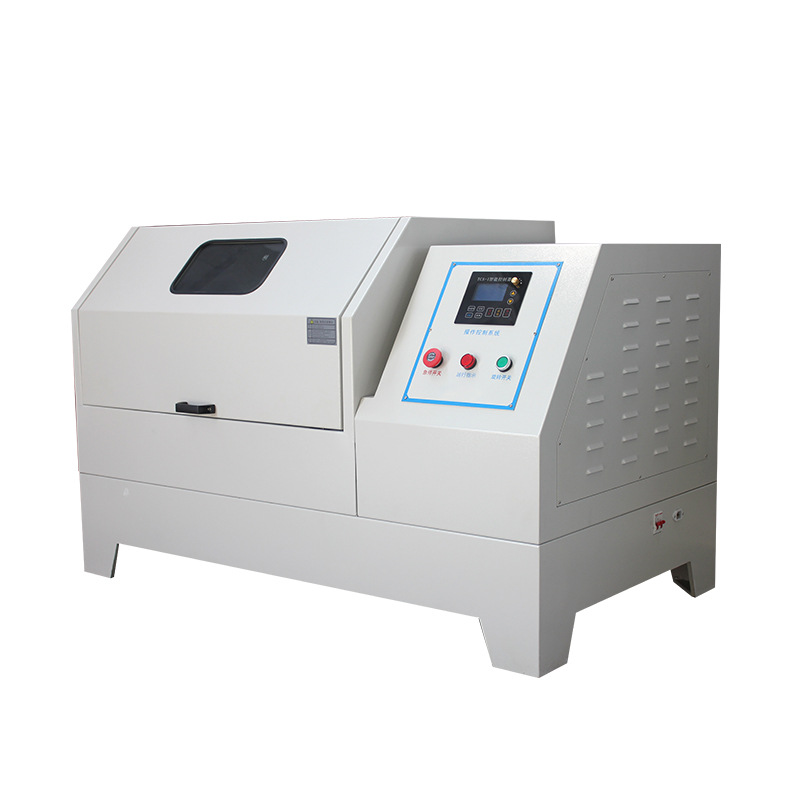
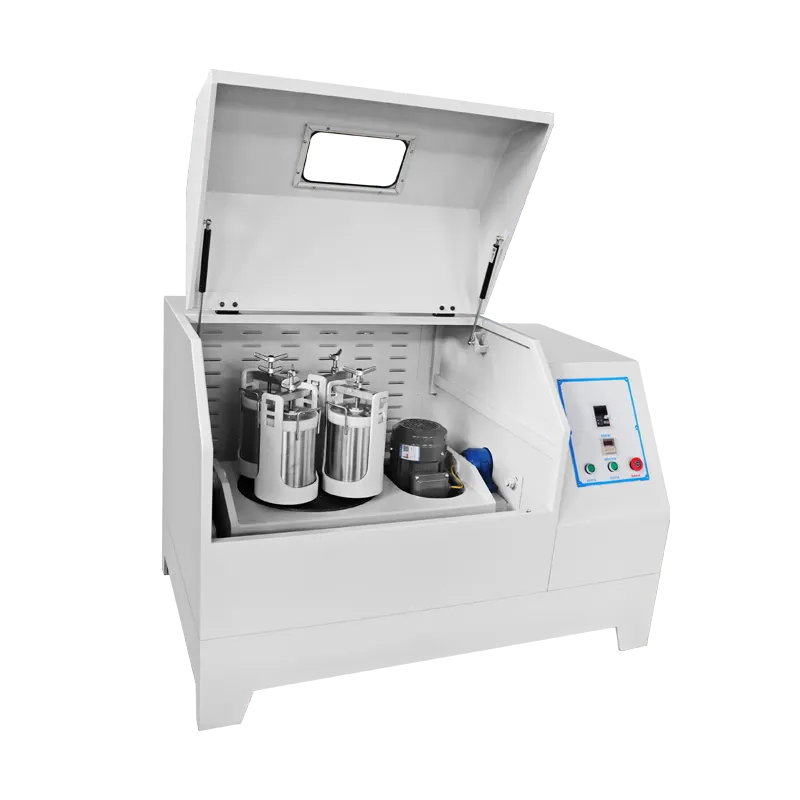
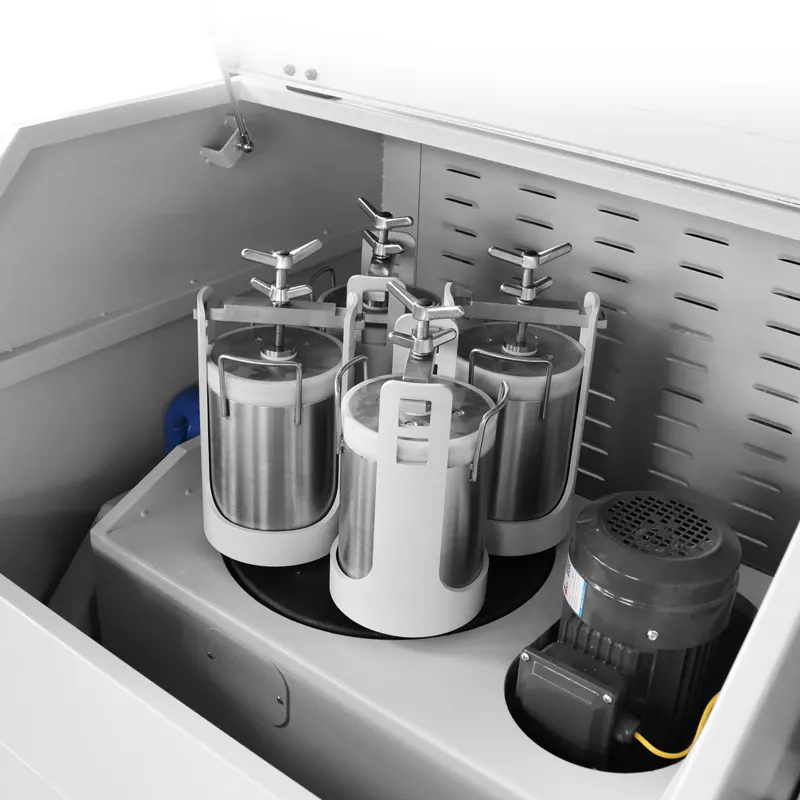
Full-Directional Planetary Ball Mill
Get help choosing the configuration, supplied accessories and delivery basis. Not sure of the model? Start with your material and batch size.


Build a complete laboratory setup
Review the mill, sample-contact materials and trial conditions together.
Define the sample
Start with material properties, batch quantity and the measurement that will define a successful result.
Match the configuration
Check jar fit, media charge, electrical supply and any temperature or atmosphere requirements.
Plan the trial
Use a documented trial to compare particle size, sample recovery, temperature and wear.
Planetary Ball Mills
Full-Directional Planetary Ball Mill
This planetary mill adds rotation of the grinding assembly to the usual disc and jar motion. Changing the orientation of the jars can help redistribute samples that settle or adhere during conventional milling.
Fit for your experiment
Consider the QXQM series when sample movement is a limiting factor. Evaluate the material in a trial; the additional motion does not guarantee freedom from sticking or agglomeration.
How to use this specification
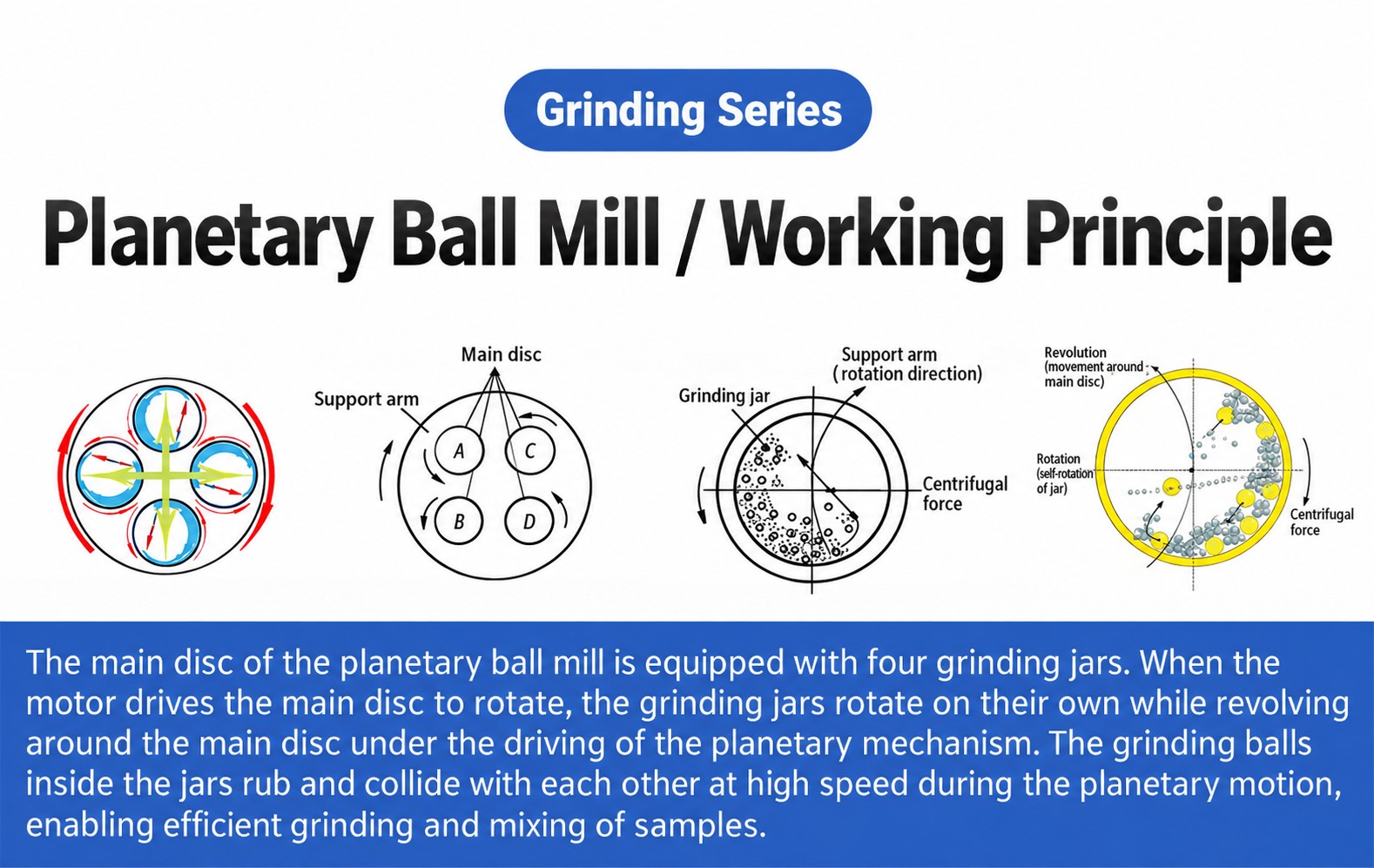
The disc revolves while the grinding jars rotate about their own axes. Media impacts and friction act on the sample. Speed, duration, loading and jar material jointly influence the result.
Before selecting a configuration
- Define feed size, target particle size and acceptable wear contamination.
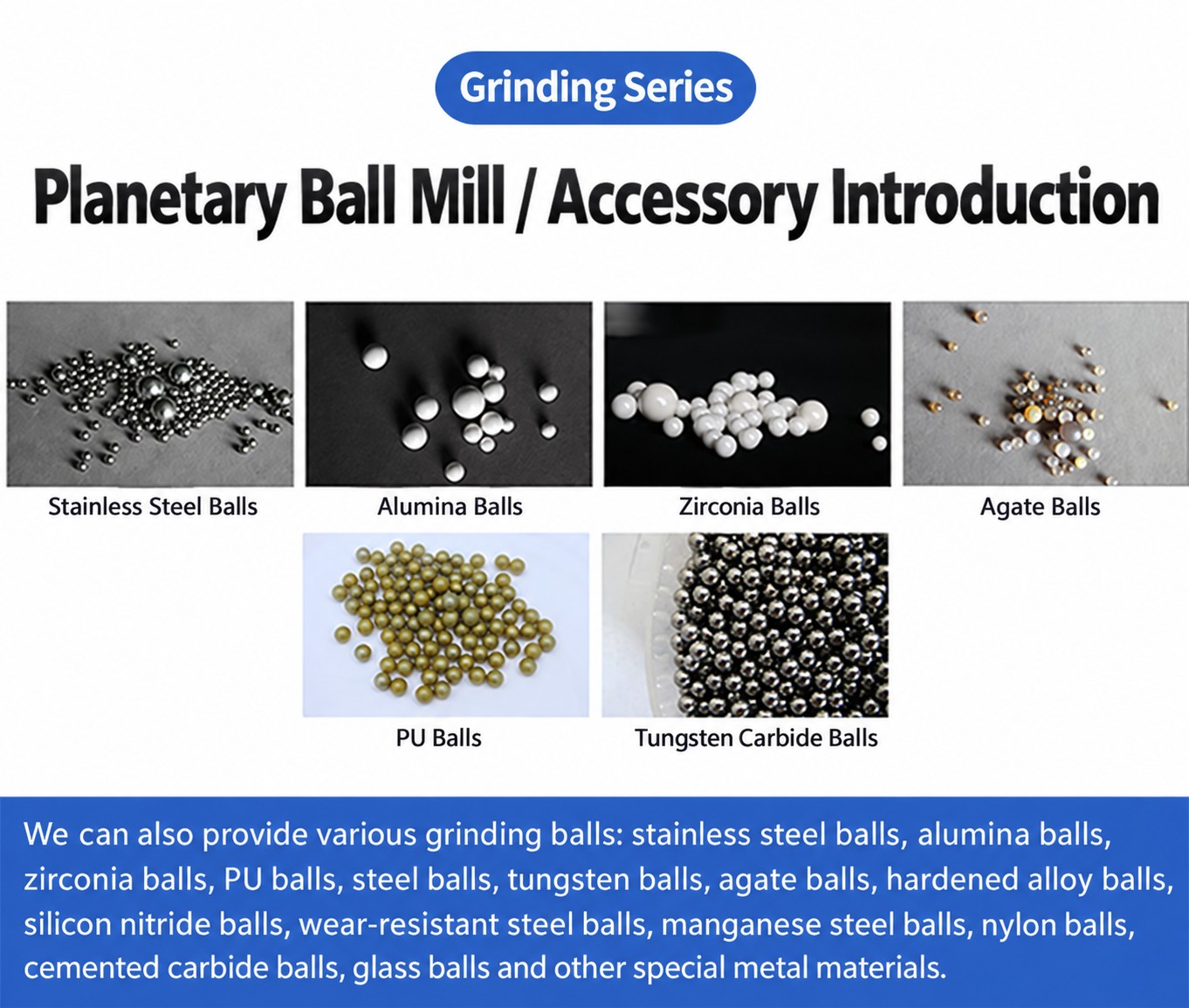
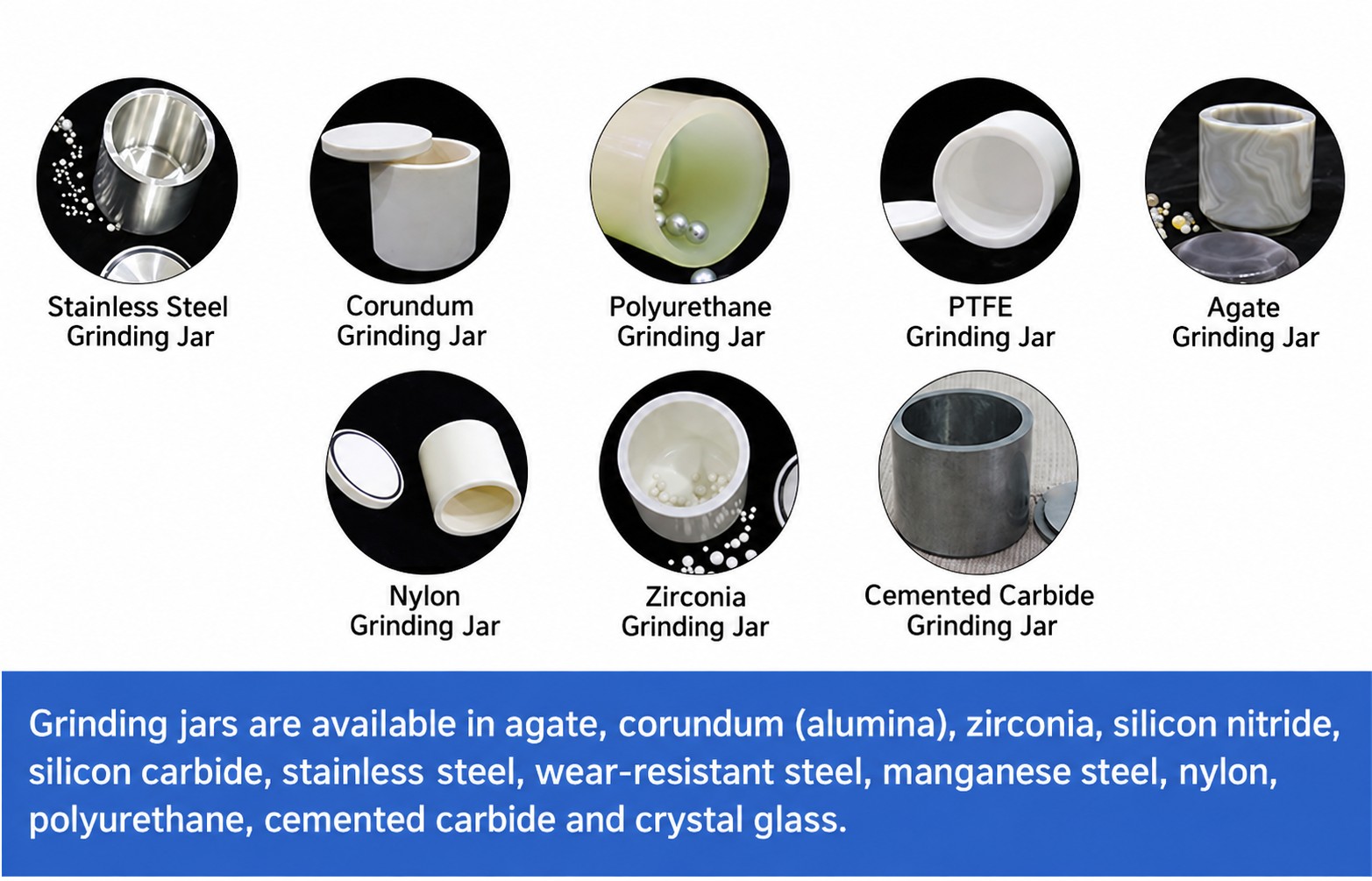
- Choose jar capacity from the working sample load, leaving room for media movement.
- Confirm balancing, clamping and any cooling or atmosphere option for the exact model.
Key features
- Disc revolution, jar rotation and assembly inversion redistribute the sample during milling.
- Changing orientation can help with material that settles or forms a compacted layer.
- Four stations allow parallel batches using a balanced jar arrangement.
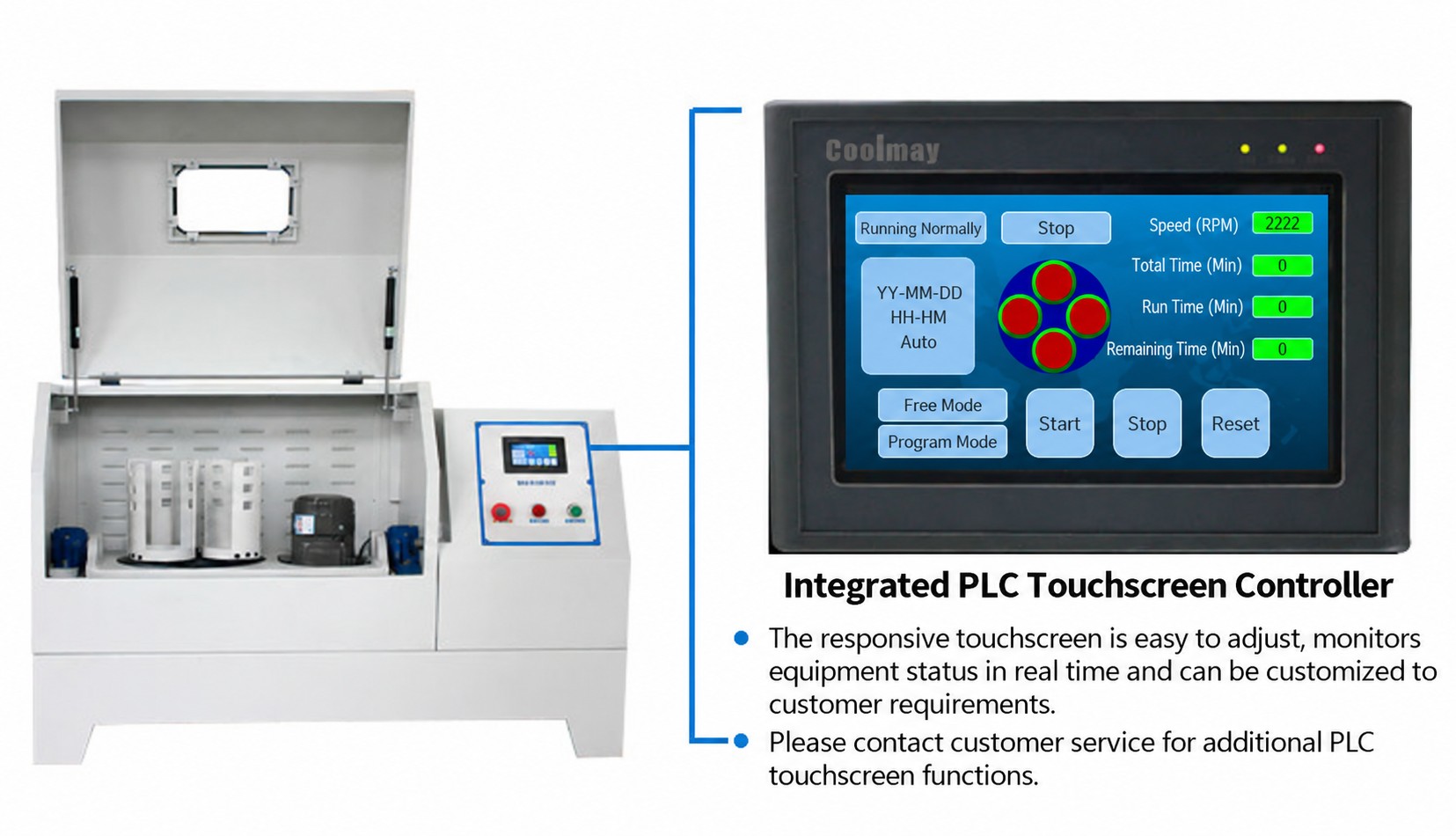
- Programmable timing and direction changes can be specified for repeatable schedules.
Construction details
- The assembly incorporates a 360-degree inversion mechanism.
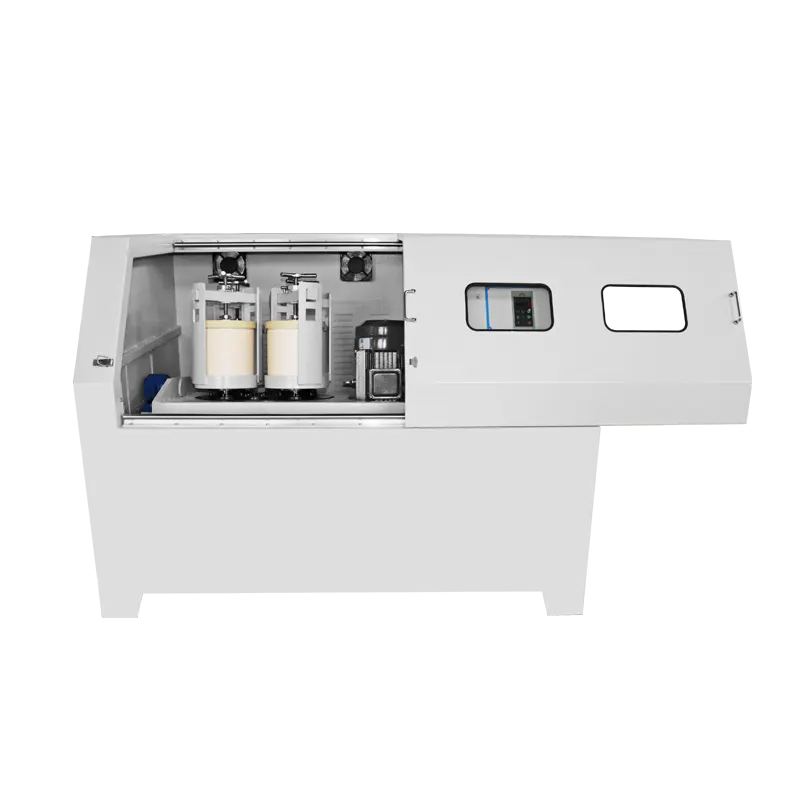
- A stopping and locking arrangement supports access for jar handling.
- A reinforced frame supports the compound motion.
- Precision gearing and variable-frequency drive coordinate the milling motion.
Configuration notes
The source also describes larger production variants. Capacity, lifting and discharge systems are model-dependent. Assess sticking and agglomeration with the actual formulation; additional motion alone does not establish the final particle size.
Application requirement
Adjustable inversion in full-directional planetary milling
These notes describe application requirements and proposed configurations; they do not establish delivery or validated performance.
Explore the construction details
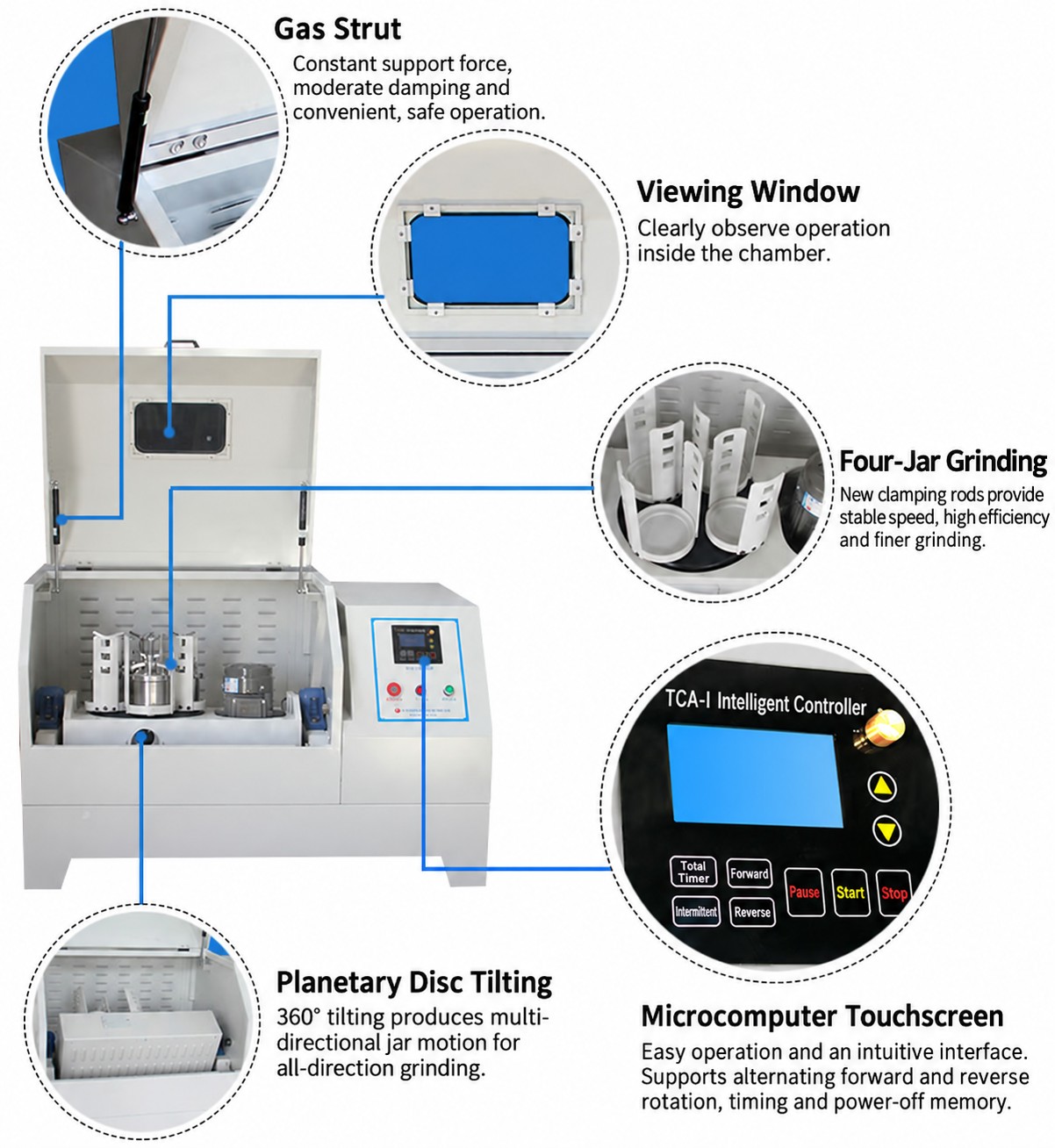
See the arrangements described for this series. Photographs illustrate configurations; confirm the exact machine, controller, jars and supplied accessories in the quotation.
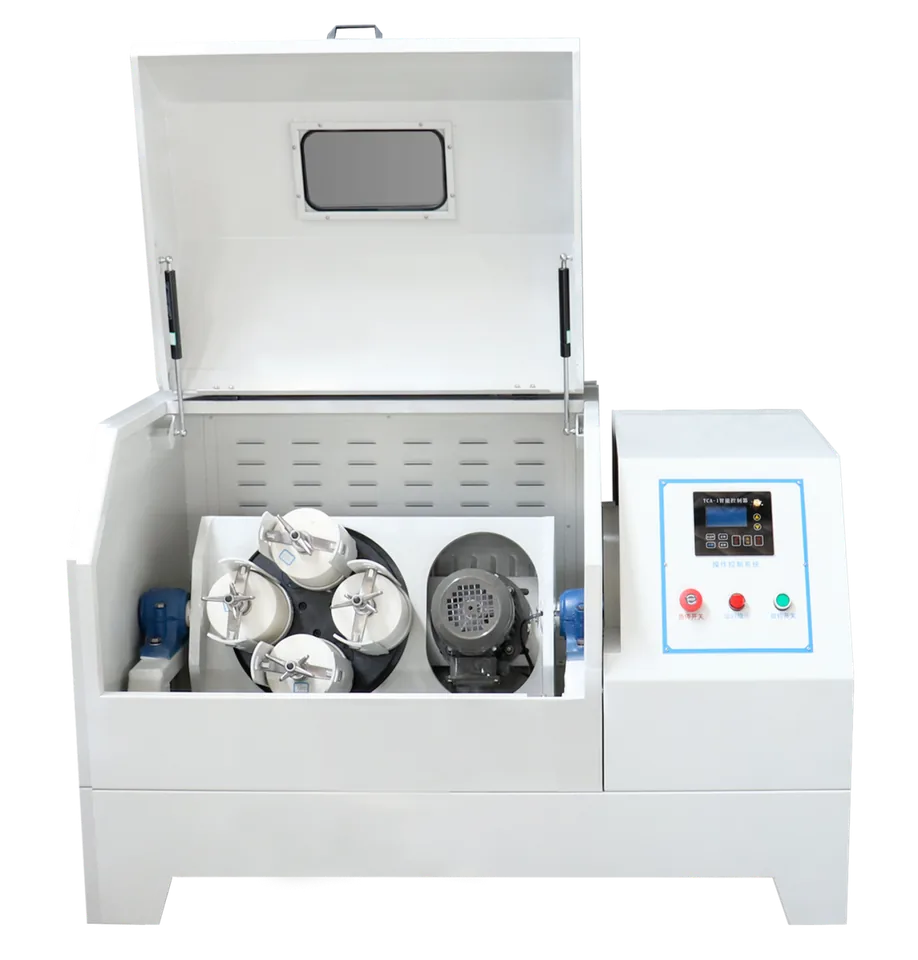
Inversion and access position
The full-directional assembly can be stopped and locked for jar handling. Follow the selected model operating procedure before opening or unloading.
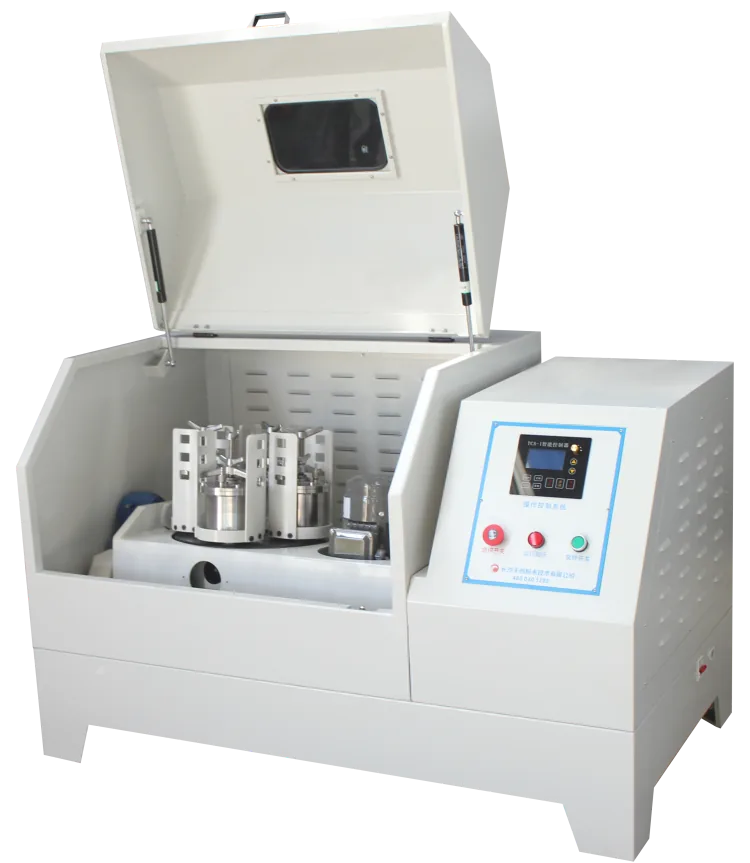
Enclosed frame and jar assembly
The enclosure surrounds the compound-motion assembly. Frame size and loading are specific to the selected model.
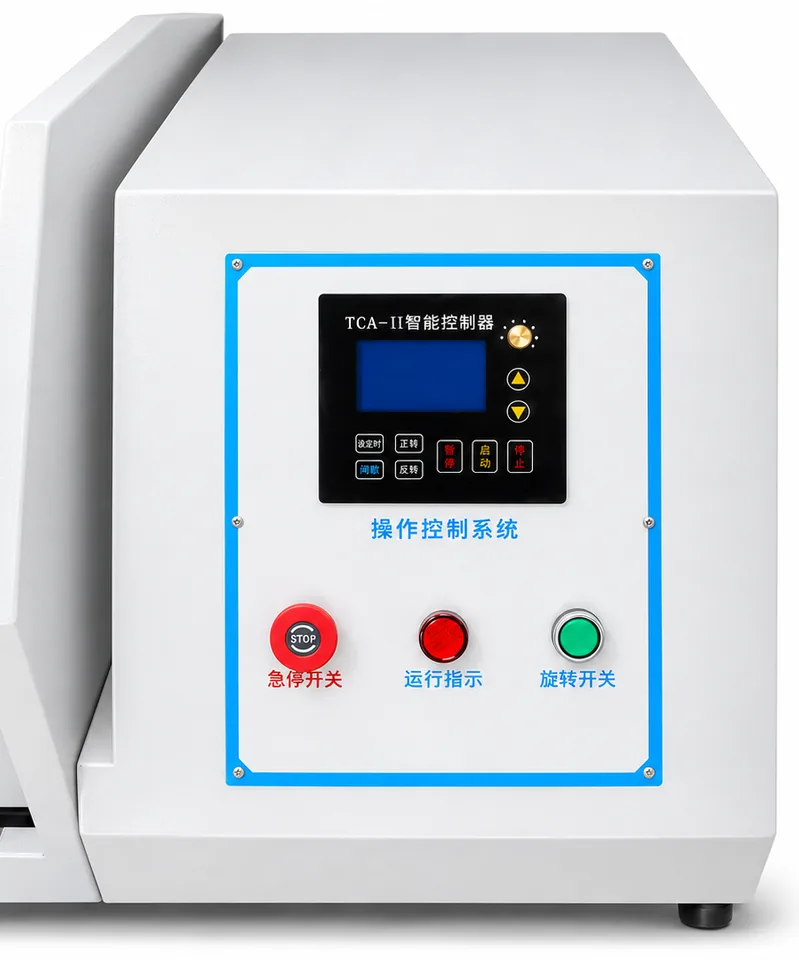
Control-panel example
Confirm the controller, timing, direction-change and power-interruption functions for the full-directional configuration in the quotation.
Technical specifications
Compare the exact model and configuration. Nominal vessel volume is not the usable sample load. Particle-size results depend on the material and process; confirm critical values in the quotation.
| model | Grinding tank rotation speed (rpm) | Inner diameter of grinding pot seat (mm) | Motor power | Grinding jar revolution diameter (mm) | Overall dimensions (mm) | Net weight(kg) |
|---|---|---|---|---|---|---|
| QXQM-0.4 | 0~870 | 80 | 250W | Φ140 | 900×570×666.5 | 136 |
| QXQM-(2-6) | 0~670 | 134 | 0.75KW | F234 | 1330×810×860 | 305 |
| QXQM-(8-12) | 0~580 | 162 | 1.5KW | Φ275 | 1360×850×930 | 430 |
| QXQM-16 | 0~510 | 182 | 3KW | Φ320 | 1530×1018×1100 | 580 |
| QXQM-20 | 0~430 | 222 | 4KW | F385 | 1700×1210×1300 | 1180 |
| QXQM-40 | 0~390 | 250 | 5.5KW | Φ430 | 1900×1450×1480 | 1430 |
| QXQM-100 | 0~240 | 326 | 11KW | F578 | 2939×1680×2450 | 3900 |
| Transmission mode | gear transmission |
| working method | Two or four ball mill tanks work simultaneously |
| Maximum sample loading volume (material + grinding ball) | Two-thirds of the ball mill tank volume |
| Ball mill tank volume | Each can is 0.05L-25L, total volume is 0.2L-100L |
| Feed particle size | Soil material ≤10mm, other materials ≤3mm |
| Discharge particle size | The minimum can reach 0.1μm (different materials and grinding processes will vary) |
| Speed ratio (revolution:rotation) | See main parameters of planetary ball mill for details |
| Speed (rotation) | See main parameters of planetary ball mill for details |
| Speed regulation method | Brand inverter stepless speed regulation |
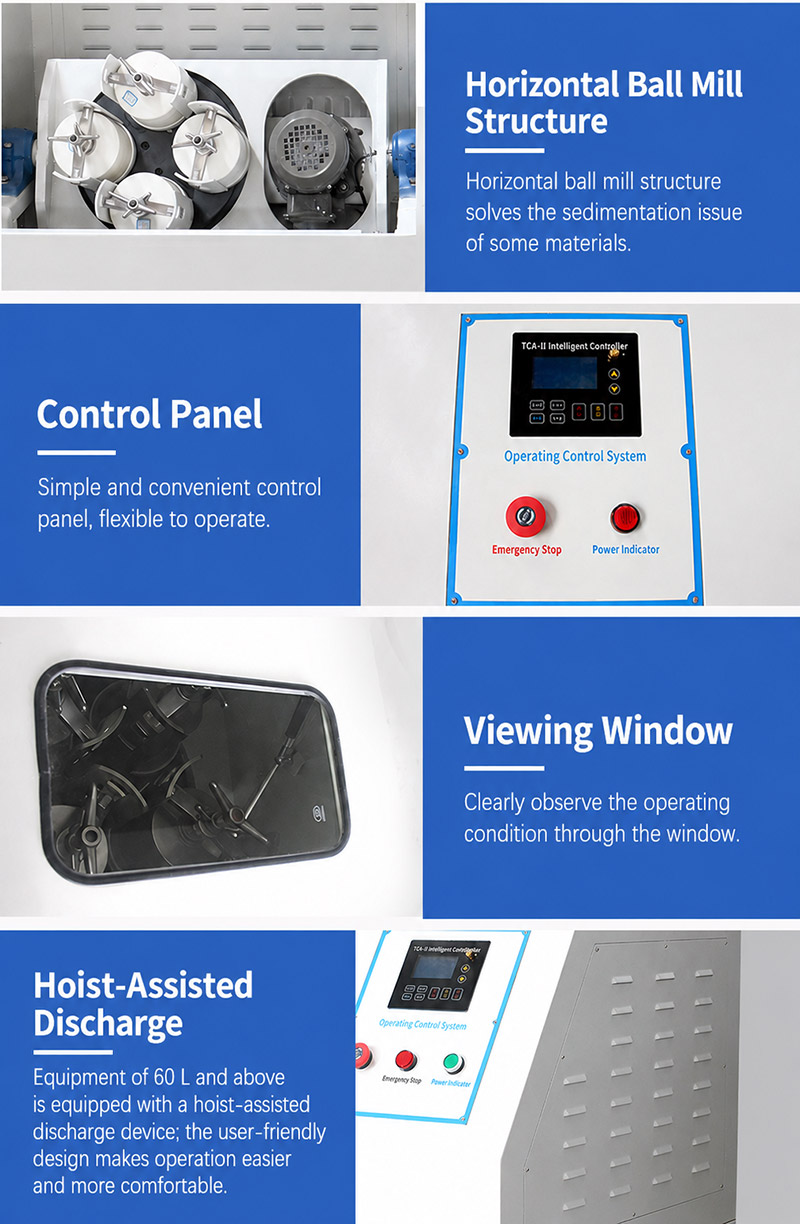
Product reference images
Plan a laboratory trial
Share the material, starting particle size, target result and batch quantity. Include the sample-contact materials and any temperature or atmosphere constraints.
Discuss this configuration → · Compare laboratory milling methods →
The trusted choice of industry leaders
Plan delivery around your configuration
Send the required quantity, destination and target arrival date with your inquiry. Compare the expected dispatch date separately from freight transit and import clearance.
| Order route | What needs to be confirmed | Scheduling starts when |
|---|---|---|
| Available stock | Exact model, jar/media set, electrical version and allocation of the unit. | The available configuration and order/payment requirements are confirmed; request the dispatch date for that unit. |
| Standard production | Model, quantity, supplied accessories and the current production slot. | The order specification and agreed payment requirements are complete and the production slot is confirmed. |
| Light customization | Changes such as contact materials, controls or electrical configuration, subject to technical review. | The changes are approved and any required components and production slot are confirmed. |
| Project customization | Technical scope, drawings where required, review milestones and acceptance requirements. | The technical scope is approved and agreed commercial and procurement prerequisites are met. |
Lead times are quoted for the confirmed configuration and current schedule. A catalog listing does not indicate live stock. Ask the quotation to state the lead-time range, its start condition and the agreed shipping basis.
Agree what arrives with the order
Confirm the machine or accessory quantity, jars and media, voltage/frequency, manuals, packing arrangement and required shipping documents in the quotation. Discuss inspection records or photographs needed before dispatch and the checks to make when receiving the shipment.
Delivery and handover details · See the manufacturing workshop
Know how support will work
Warranty and components
Our published service terms describe a one-year warranty and specified replacement conditions within the first month. Read the full warranty terms. Confirm coverage for the machine, motor/control components, jars, balls, liners and seals in the order; parts subject to wear need a separate coverage check.
Remote, spare-parts and on-site support
Contact TENCAN with the model, serial number and issue details for troubleshooting and parts identification. Provide your country and site location when asking about installation, training or on-site repair. Availability, travel, labor, freight and import costs must be agreed for the destination and service scope.
Check support responsibilities · Discuss your location and support needs
Review the evidence for your purchase
See the equipment being made
View workshop and assembly photographs, then discuss a visit or remote technical review for your project.
Evaluate your sample
Discuss sample grinding with the material, target result and permitted contact materials. Agree feasibility, sample quantity, test conditions and any charges before sending material.
Check documents and applications
Review available certificates for your exact model and destination, and application requirements relevant to your process.
FAQ
View moreGet In Touch
Our professional team will reply to you within one business day. Please feel free to contact us!
Share your material or application, quantity, destination and target purchase date. If a parameter is unknown, say so—we can help clarify it. Leave an email address or phone number so we can reply.